2026 / POLLING-MISS SCENARIOS
If the polls miss, who wins?
The ten closest Senate, House and governor races by 21CEE's own margin, played out three ways: Democrats beat their polls, the polls are right, or Republicans beat their polls.
Baseline: 21CEE forecast issued November 1, 2026, 8:39 p.m. ET. Scenario sizes come from real past polling misses (below).
Show
HOW BIG A MISS
The sizes come from past polling misses.
Democrats beat the polls+0.25 pts
Average Democratic over-performance versus final polls in the 2018 and 2022 midterms: (−0.1 in 2018 and +0.6 in 2022) ÷ 2 = +0.25. Source: AAPOR Task Force report ↗.
The polls are right0.00 pts
The current 21CEE margins exactly as issued. Nothing is shifted.
Republicans beat the polls+3.47 pts
Average Republican over-performance versus final polls in the presidential years 2016, 2020 and 2024: (+3.1, +4.6 and +2.7) ÷ 3 = +3.47. Source: AAPOR Task Force report ↗.
| Year | AAPOR task force finding | Used (pts) | Cross-check |
|---|---|---|---|
| 2016presidential year | polls too Democratic by 3.1 | +3.1GOP over-performance | polls too Democratic by 3.0 (538) |
| 2018midterm | polls too Democratic by 0.1 | −0.1Dem over-performance | polls too Republican by 0.5 (538) |
| 2020presidential year | polls too Democratic by 4.6 | +4.6GOP over-performance | polls too Democratic by 4.7 (538) |
| 2022midterm | polls too Republican by 0.6 | +0.6Dem over-performance | polls too Democratic by 0.8 (538) |
| 2024presidential year | polls too Democratic by 2.7 | +2.7GOP over-performance | polls too Democratic by 2.9 (Silver Bulletin) |
The Democratic size is small because the two midterm misses nearly cancelled: polls overstated Democrats by 0.1 point in 2018 and overstated Republicans by 0.6 point in 2022. Other measures of the same years agree the net is close to zero (cross-check average: −0.15 pts for Democrats; 3.53 pts for Republicans in presidential years).
THE TEN CLOSEST · SENATE
Senate: three ways it can break.
21CEE publishes a numeric margin for 12 of 35 Senate contests; the ten closest of those are shown. The other 23 keep their 21CEE calls in every scenario. A 0.25-point Democratic miss is too small to flip any senate race.
Democrats beat the polls52DEM46GOP2I52D / 46R / 2I (both caucus with D)Democrats control the Senate0 seat changes vs. 21CEE
The polls are right52DEM46GOP2I52D / 46R / 2I (both caucus with D)Democrats control the Senate0 seat changes vs. 21CEE
Republicans beat the polls46DEM52GOP2I46D / 52R / 2I (both caucus with D)Republicans control the Senate6 seat changes vs. 21CEE

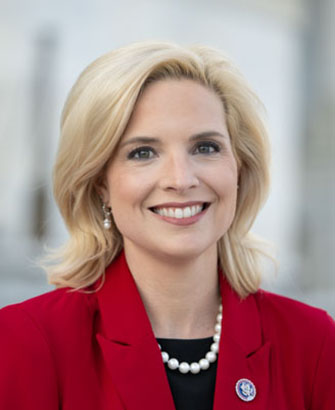
Alaska Senate
21CEE: D+0.90

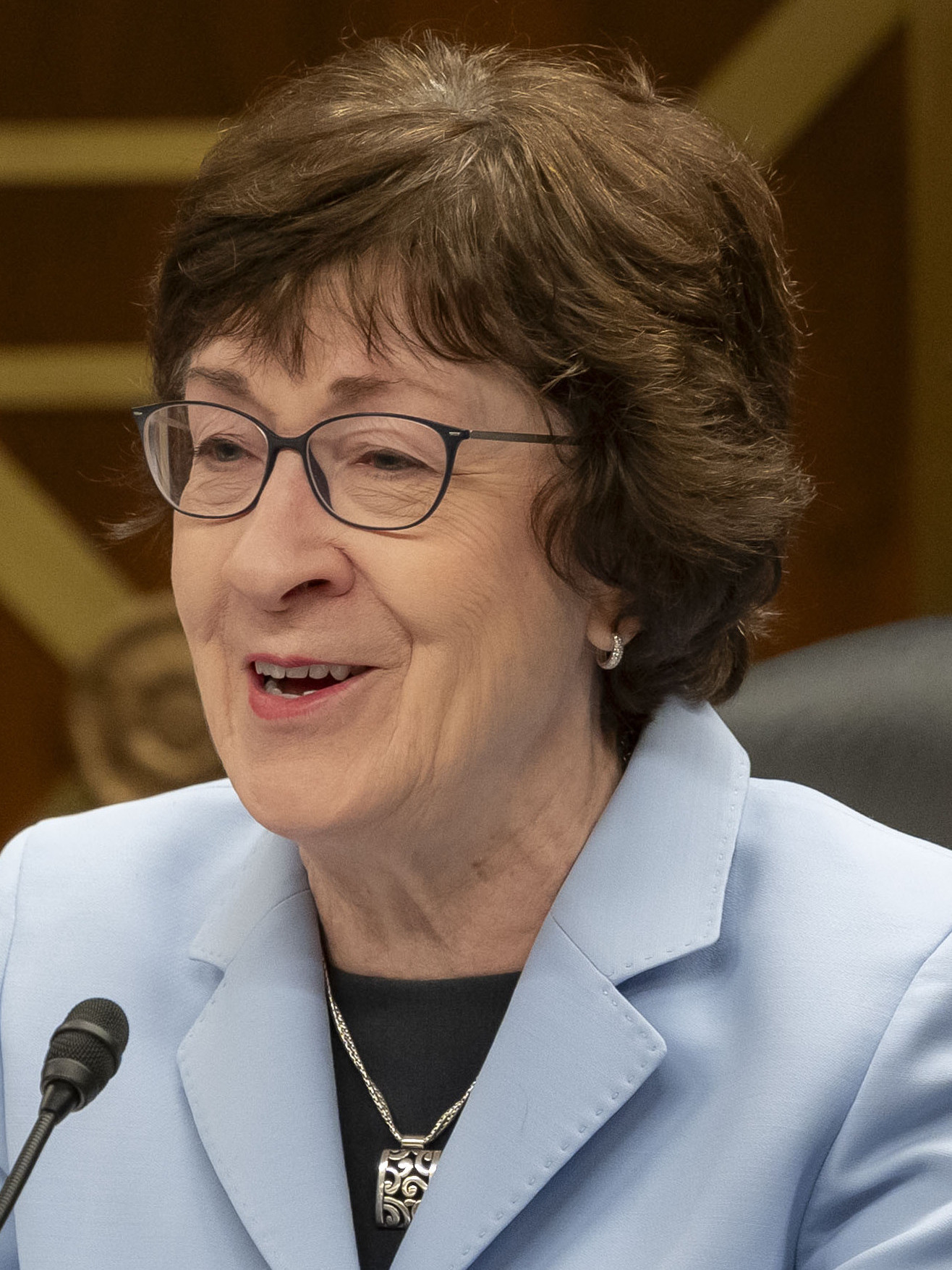
Maine Senate
21CEE: D+1.66
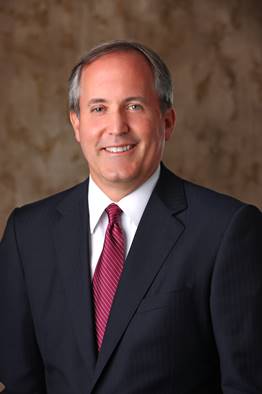
Texas Senate
21CEE: D+1.90
Kansas Senate
21CEE: D+2.29

Ohio Senate
21CEE: D+2.54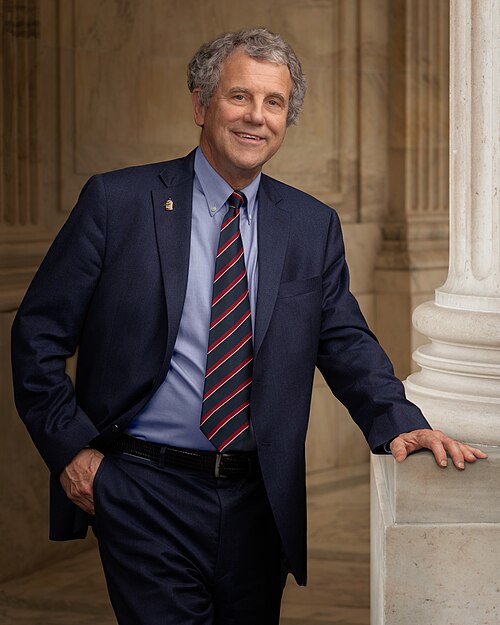
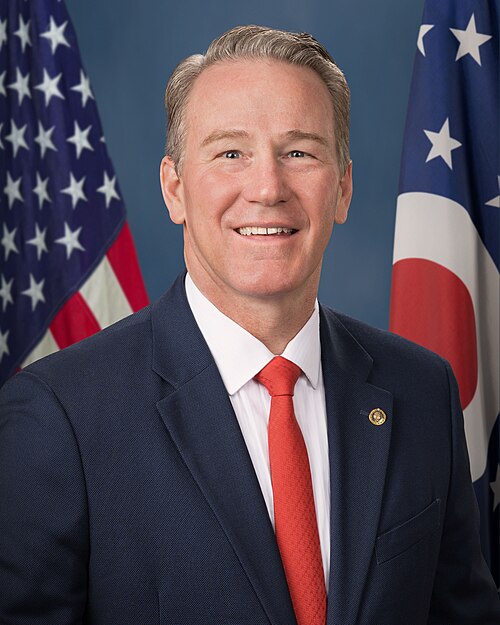
Nebraska Senate
21CEE: R+3.00
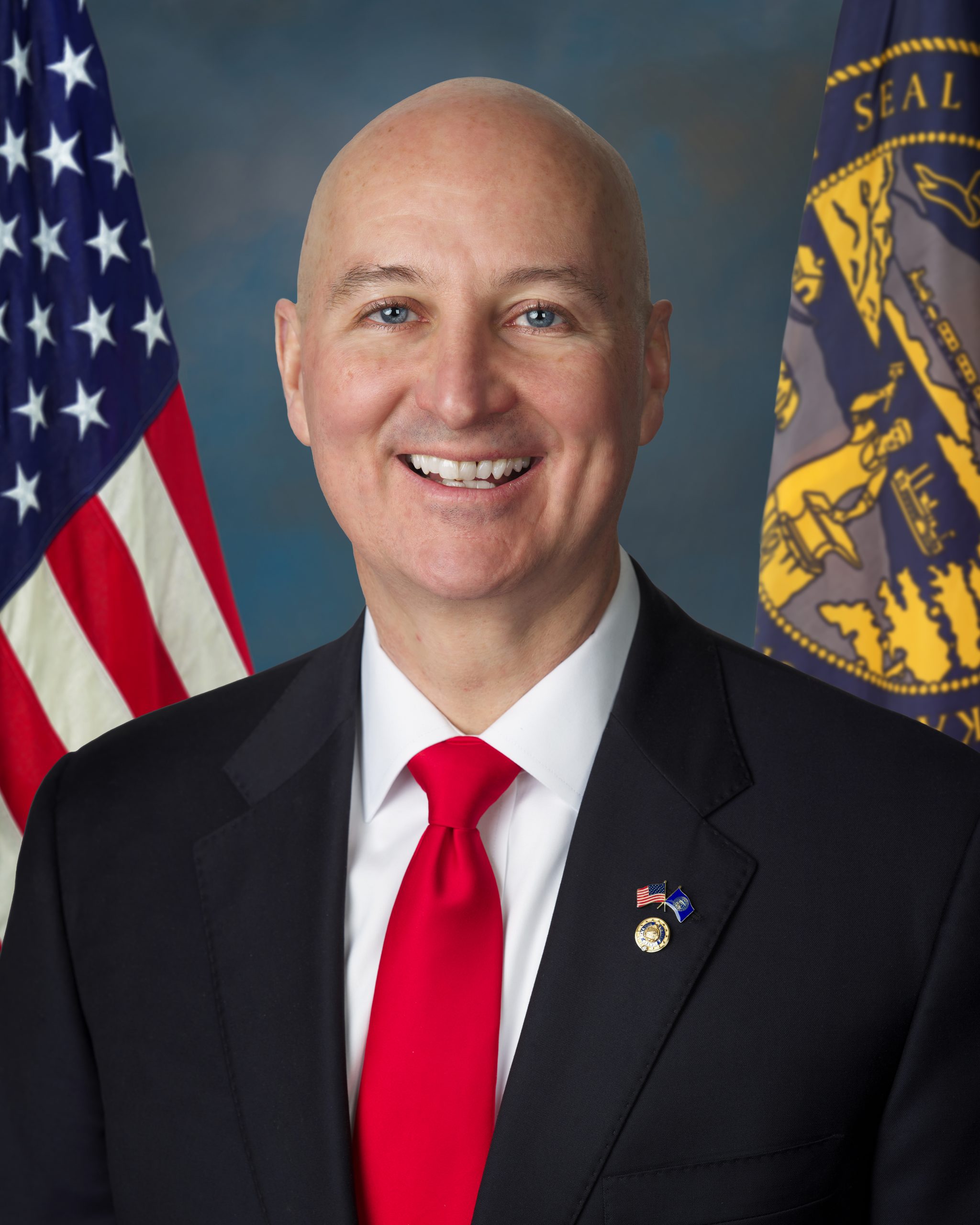
Michigan Senate
21CEE: D+3.81
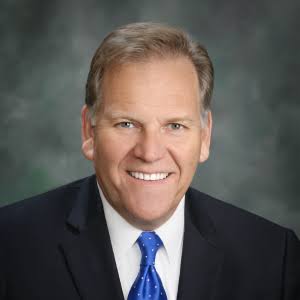
Minnesota Senate
21CEE: D+5.61
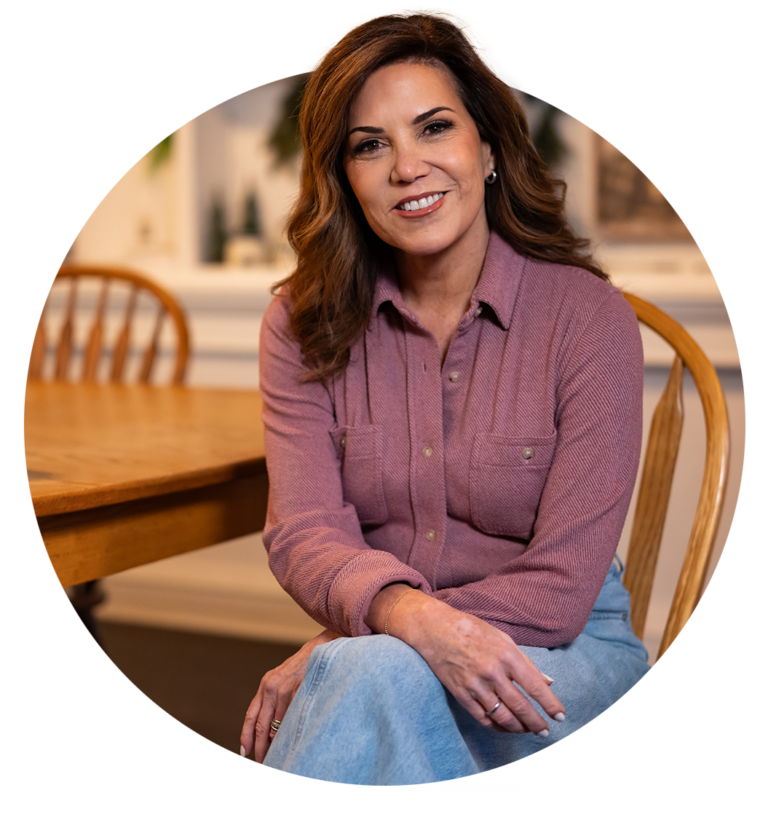
New Hampshire Senate
21CEE: D+6.11

THE TEN CLOSEST · HOUSE
House: three ways it can break.
21CEE publishes a numeric margin for 64 of 435 House districts; the ten closest of those are shown. The other 371 keep their 21CEE calls in every scenario. A 0.25-point Democratic miss is too small to flip any house race.
Democrats beat the polls236DEM199GOP236D / 199RDemocrats control the House0 seat changes vs. 21CEE
The polls are right236DEM199GOP236D / 199RDemocrats control the House0 seat changes vs. 21CEE
Republicans beat the polls216DEM219GOP216D / 219RRepublicans control the House20 seat changes vs. 21CEE
OH-09
Ohio · District 921CEE: Even Marcy KapturDEM
 Derek MerrinGOP
DEM beat pollsMarcy KapturDEM
Marcy KapturDEMPolls rightMarcy KapturDEM
Marcy KapturDEMGOP beat pollsDerek MerrinGOP
Derek MerrinGOPPA-10
Pennsylvania · District 1021CEE: Even

CA-06
California · District 621CEE: D+0.20 Richard PanDEM
 Kevin KileyICaucus: None announced: says he will not caucus with Republicans if re-elected
DEM beat pollsRichard PanDEM
Richard PanDEMPolls rightRichard PanDEM
Richard PanDEMGOP beat pollsRichard PanDEM
Richard PanDEMMI-04
Michigan · District 421CEE: D+1.00
TX-35
Texas · District 3521CEE: R+1.00 Johnny C. GarciaDEMCarlos De La CruzGOPPhoto not available
DEM beat pollsCarlos De La CruzGOPPhoto not available
Polls rightCarlos De La CruzGOPPhoto not available
GOP beat pollsCarlos De La CruzGOPPhoto not available
WA-03
Washington · District 321CEE: R+1.00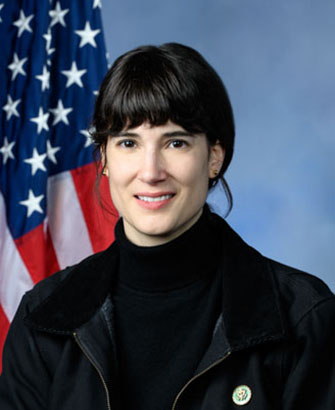

CO-05
Colorado · District 521CEE: R+1.27
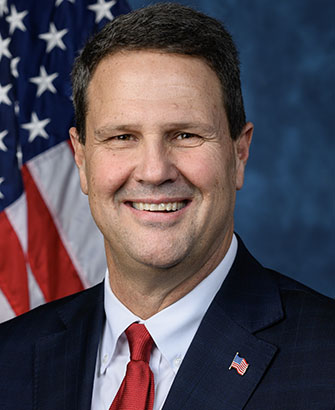
FL-22
Florida · District 2221CEE: R+1.27

KY-06
Kentucky · District 621CEE: R+1.27 Zach DemboDEM
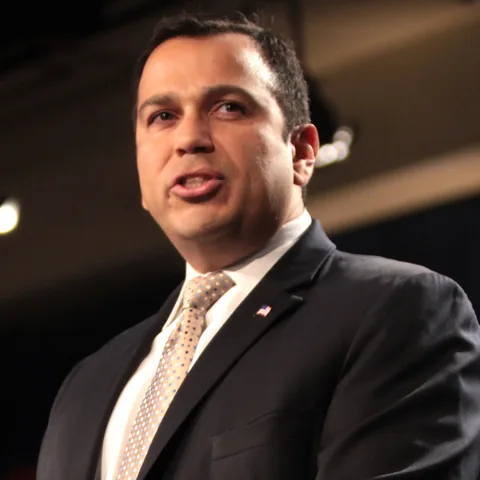 Ralph AlvaradoGOP
DEM beat pollsRalph AlvaradoGOP
Ralph AlvaradoGOPPolls rightRalph AlvaradoGOP
Ralph AlvaradoGOPGOP beat pollsRalph AlvaradoGOP
Ralph AlvaradoGOPAZ-06
Arizona · District 621CEE: D+1.34
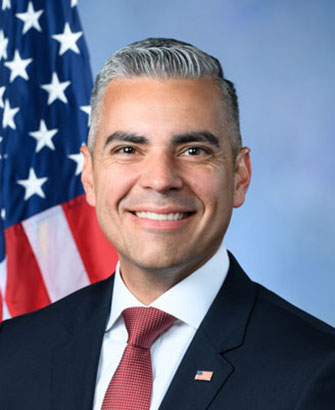
16 more house seat changes outside these ten
- AZ-01 goes to Jay Feely (GOP) when Republicans beat the polls
- AZ-02 goes to Elijah Crane (GOP) when Republicans beat the polls
- CA-13 goes to Kevin Lincoln (GOP) when Republicans beat the polls
- FL-25 goes to Scott Singer (GOP) when Republicans beat the polls
- IA-01 goes to Mariannette Miller-Meeks (GOP) when Republicans beat the polls
- IA-02 goes to Joe Mitchell (GOP) when Republicans beat the polls
- IA-03 goes to Zach Nunn (GOP) when Republicans beat the polls
- MN-01 goes to Brad Finstad (GOP) when Republicans beat the polls
- NM-02 goes to Gregory G Cunningham (GOP) when Republicans beat the polls
- NY-04 goes to Jeanine C. Driscoll (GOP) when Republicans beat the polls
- NY-17 goes to Mike Lawler (GOP) when Republicans beat the polls
- OH-07 goes to Max Miller (GOP) when Republicans beat the polls
- PA-01 goes to Brian Fitzpatrick (GOP) when Republicans beat the polls
- TX-15 goes to Monica De La Cruz (GOP) when Republicans beat the polls
- VA-02 goes to Jen Kiggans (GOP) when Republicans beat the polls
- WI-03 goes to Derrick Van Orden (GOP) when Republicans beat the polls
THE TEN CLOSEST · GOVERNOR
Governor: three ways it can break.
21CEE publishes a numeric margin for 12 of 36 governor races; the ten closest of those are shown. The other 24 keep their 21CEE calls in every scenario. A 0.25-point Democratic miss is too small to flip any governor race.
Democrats beat the polls27DEM23GOP27D / 23RDemocrats hold more governorships0 seat changes vs. 21CEE
The polls are right27DEM23GOP27D / 23RDemocrats hold more governorships0 seat changes vs. 21CEE
Republicans beat the polls25DEM25GOP25D / 25RGovernorships split evenly2 seat changes vs. 21CEE
Oregon Governor
21CEE: Even

Nevada Governor
21CEE: D+0.06

Georgia Governor
21CEE: R+1.15

Texas Governor
21CEE: R+2.48Gina HinojosaDEMPhoto not available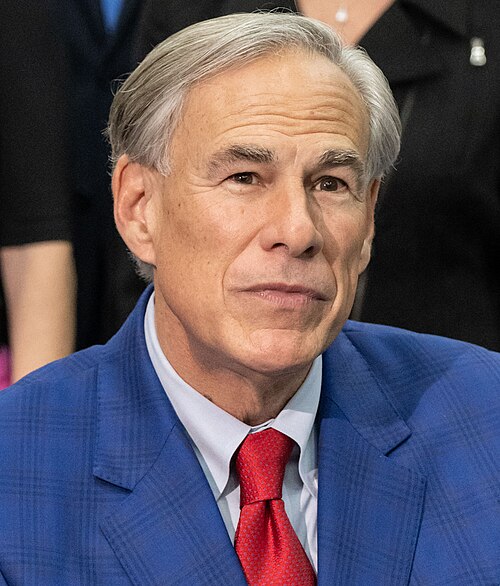 Greg AbbottGOP
DEM beat pollsGreg AbbottGOP
Greg AbbottGOPPolls rightGreg AbbottGOP
Greg AbbottGOPGOP beat pollsGreg AbbottGOP
Greg AbbottGOPKansas Governor
21CEE: R+3.42
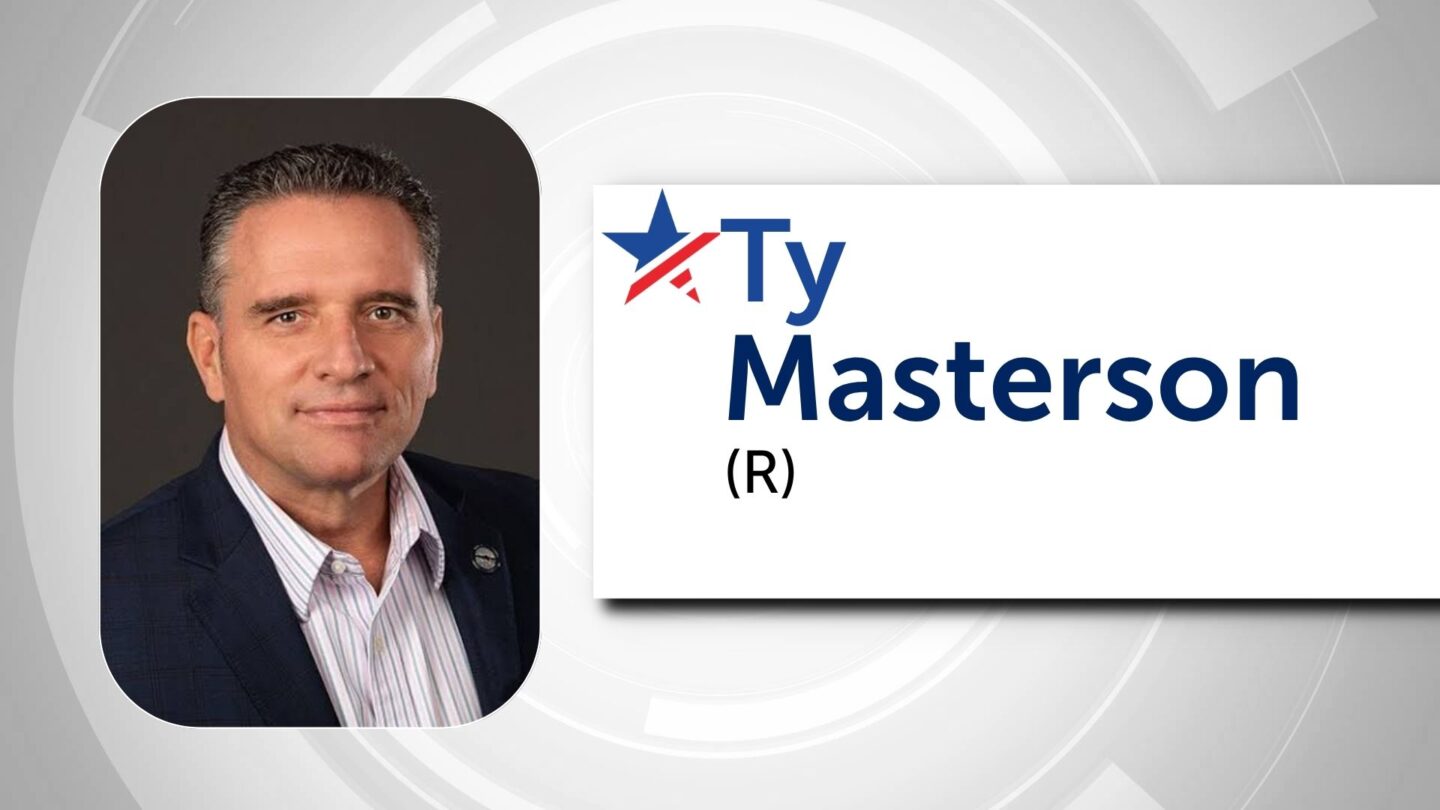
Florida Governor
21CEE: R+4.25David JollyDEMPhoto not available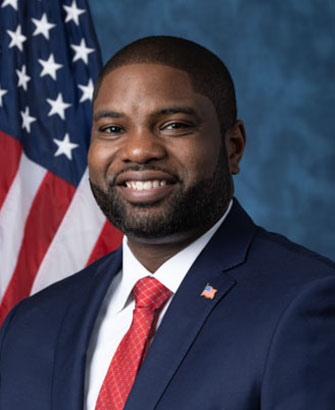 Byron DonaldsGOP
DEM beat pollsByron DonaldsGOP
Byron DonaldsGOPPolls rightByron DonaldsGOP
Byron DonaldsGOPGOP beat pollsByron DonaldsGOP
Byron DonaldsGOPWisconsin Governor
21CEE: D+4.33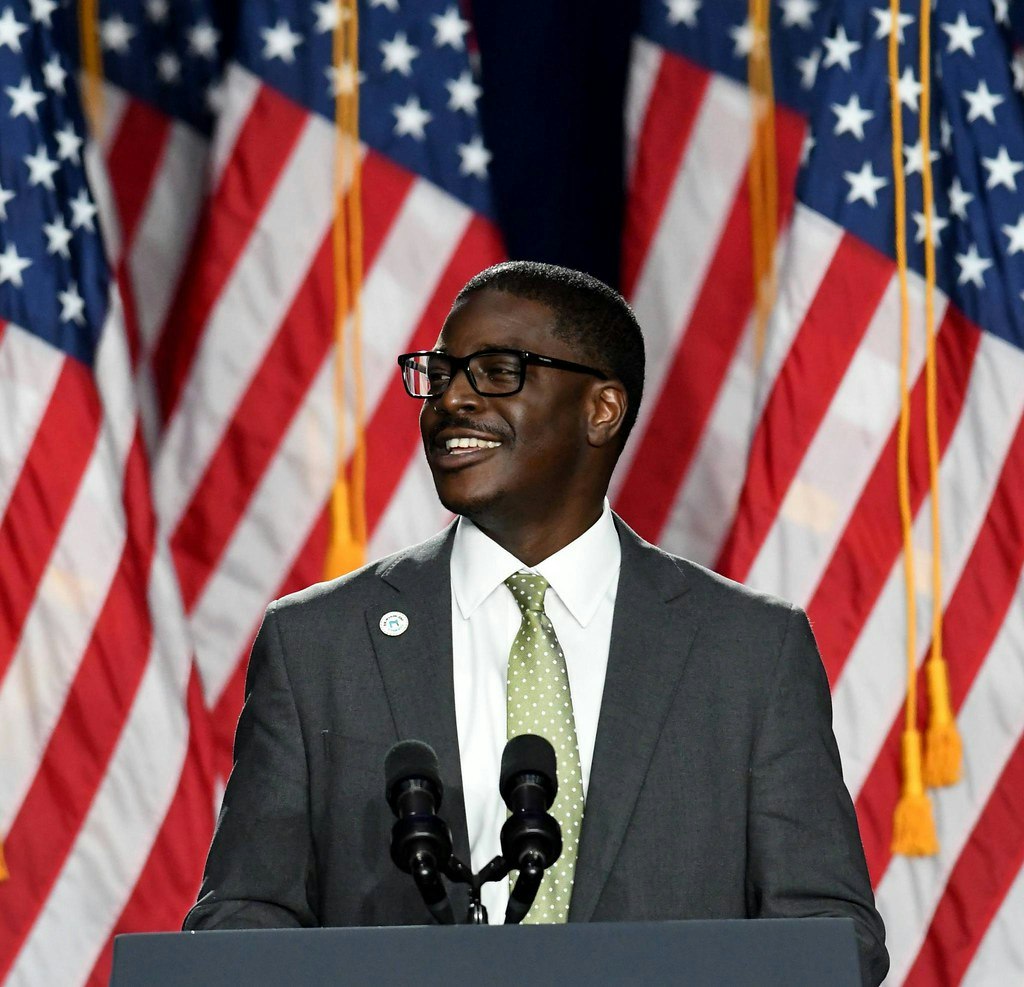
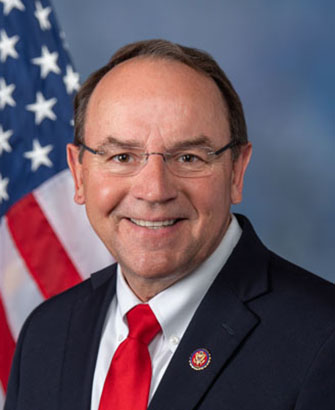
Ohio Governor
21CEE: D+5.40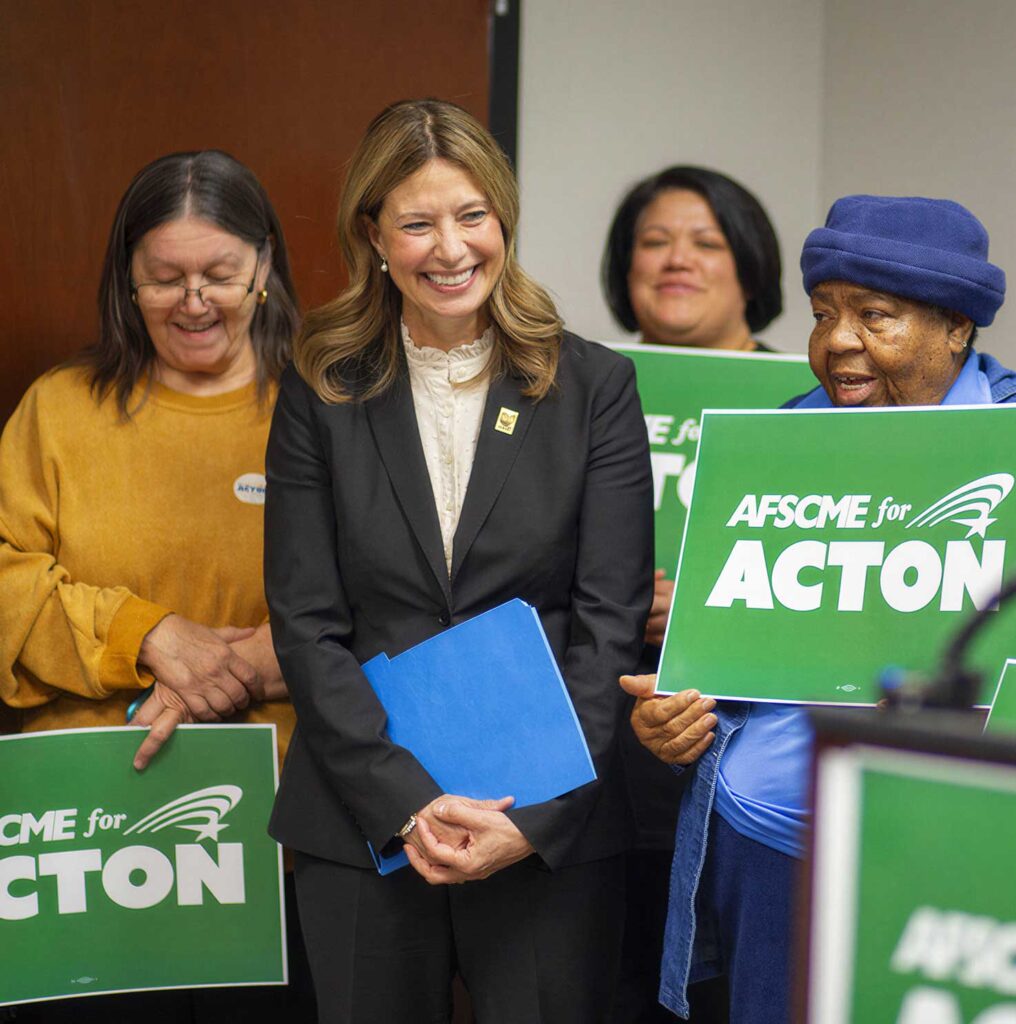
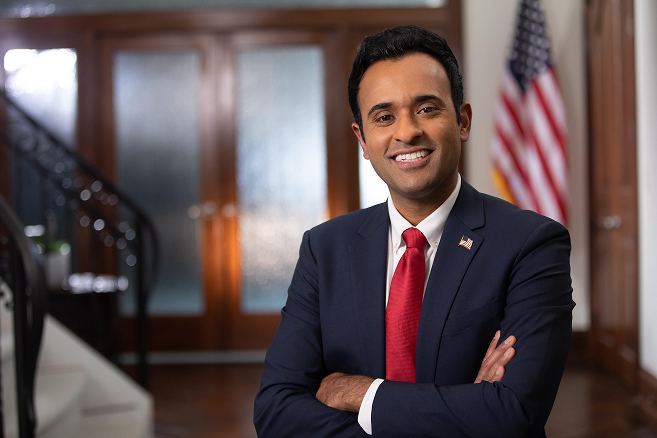
Alaska Governor
21CEE: D+7.33
DEM beat polls Jonathan Kreiss-TomkinsDEM
Polls rightJonathan Kreiss-TomkinsDEM
Jonathan Kreiss-TomkinsDEMGOP beat pollsJonathan Kreiss-TomkinsDEM
Jonathan Kreiss-TomkinsDEMIowa Governor
21CEE: D+8.30

METHODS & SOURCES
How these scenarios are built.
- Baselines are 21CEE only. Every race, candidate and margin comes from the 21CEE forecast issued November 1, 2026, 8:39 p.m. ET (snapshot 6c60a152e3df). Nothing from another forecaster is used.
- Ten closest. Within each chamber, races are ranked by the size of the current 21CEE margin. Only races with a published numeric margin can be ranked or shifted; the rest keep their 21CEE calls.
- One uniform shift. In a Democrats-beat-the-polls scenario every ranked race moves 0.25 points toward the Democratic candidate. In a Republicans-beat-the-polls scenario every ranked race moves 3.47 points toward the Republican candidate. If a race has no candidate from that party (an independent against one major party), it does not move.
- Totals and control. Chamber totals start from the 21CEE totals and change only for races whose winner changes. Senate control needs 51 seats counting the two independents who caucus with the Democrats; 50-50 goes to the vice president's party. House control needs 218.
- Illustrations, not probabilities. These show what happens if every race misses by the same amount in the same direction. Real misses vary by race and are rarely uniform. The sizes are averages of past national misses, not a forecast of this year's error.
Sources
- AAPOR Task Force on 2024 Pre-Election Polling, final report (Oct. 2025), section 2.1-2.2 ↗
- FiveThirtyEight, "The Polls Nailed The 2022 Election" - weighted-average bias table, final 21 days, all offices ↗
- Silver Bulletin, "How did the polls do in 2024? It's complicated." ↗
- The New York Times Upshot, "What the Polls Got Right This Year, and Where They Went Wrong" (Nov. 21, 2018) ↗
- U.S. Senate Daily Press, Senate Facts (119th Congress): Sanders and King caucus with the Democrats ↗
- Roll Call, "Who would this independent caucus with? 'Everybody'" (Sept. 24, 2026) ↗
- Semafor, "Kiley says he won't caucus with Republicans if reelected" (Sept. 16, 2026) ↗
Independent candidates show their stated caucus plans. Photographs and credits follow the References & credits page.